
Mounting position
Confirm whether the existing pump is fitted beside a wall unit or needs a compact corner position.
Replacement guidance · UK stock
Choose a compatible replacement for a failed, noisy or unreliable AC condensate pump. Compare the installation before ordering, then have the electrical and drainage connections checked by a competent air-conditioning professional.
Need the pump quickly?
Order before 1pm on a working day for £8.99 next-working-day UK delivery. Both pumps include a 2-year warranty.
Compare both pumpsBefore you replace it
A pump that stops moving water is not always beyond repair. Isolate the equipment safely and check for a dirty reservoir, stuck float, kinked outlet or blocked drain. If the motor has failed, the casing is damaged or reliability has become poor, replacement is usually the practical choice.
Diagnose a pump that is not workingConfirm whether the existing pump is fitted beside a wall unit or needs a compact corner position.
Match the replacement to the air conditioner's rated cooling output rather than relying on casing size alone.
Measure how high the discharge must rise and allow for the full pipe route to the drain.
Choose the SK-18CE when a built-in audible overflow warning is required.
Two focused options
Match the replacement to your unit's cooling capacity, mounting position and required lift using the checks above.
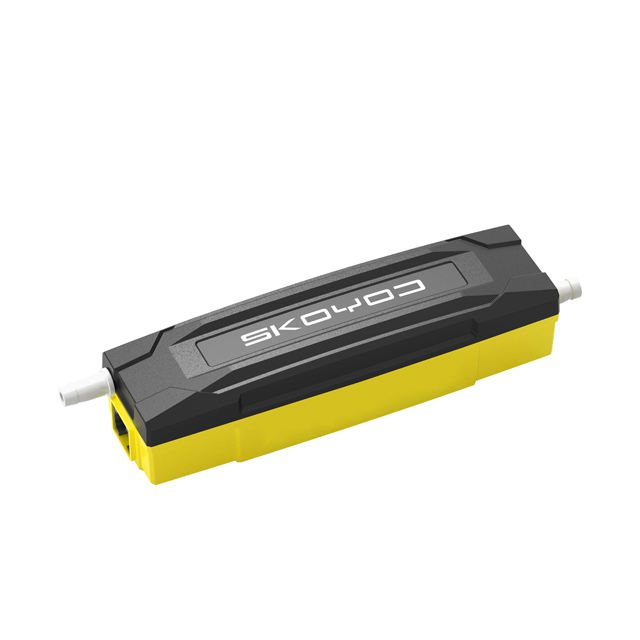
Replacement option
Best for a standard wall-mounted split air conditioner, with up to 7.5 kW cooling capacity and an 8 m maximum head.
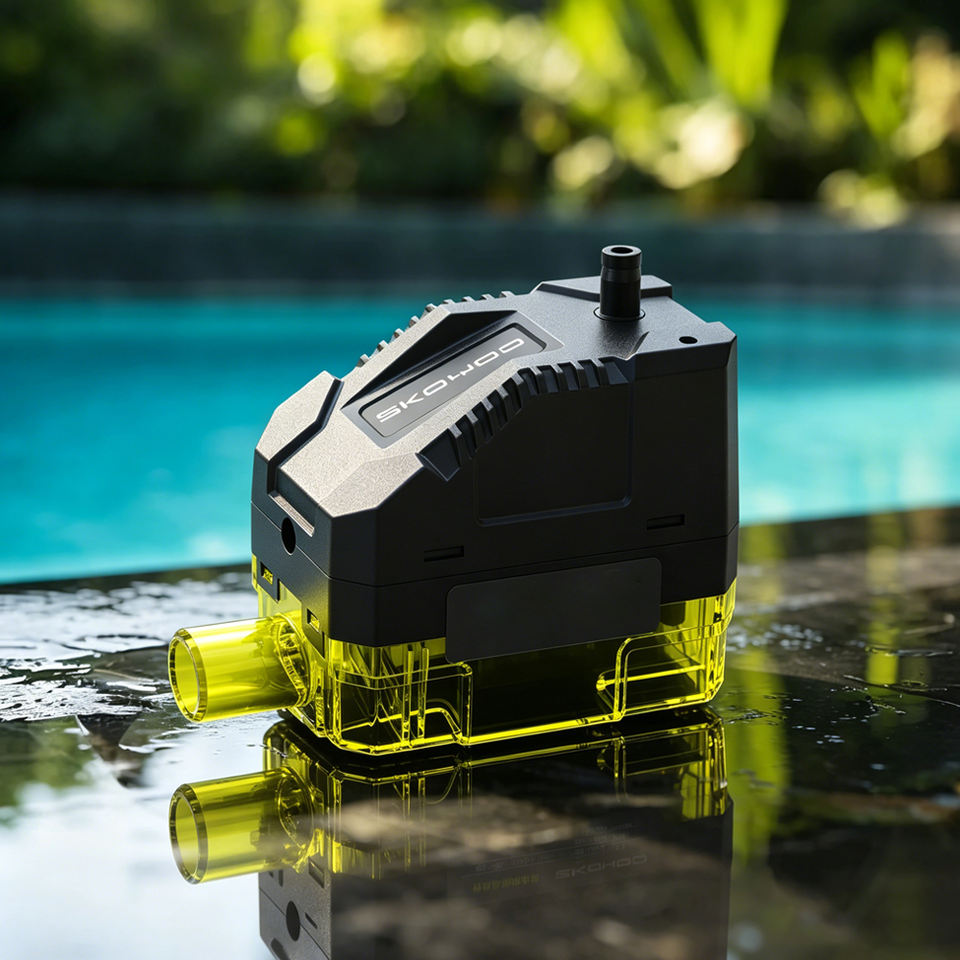
Replacement option
Best where a corner body suits the installation or a built-in overflow buzzer is wanted, with up to 8 kW cooling capacity and a 10 m maximum head.
Replacement process
STEP 1
Check power, the float, reservoir and discharge pipe first. A blockage can look like pump failure.
STEP 2
Compare mounting position, voltage, capacity, maximum head, pipe route and alarm needs.
STEP 3
A competent air-conditioning professional should install the pump, test the full cycle and confirm safe discharge.
Detailed replacement checklist
A successful replacement is not simply a matter of removing one box and fitting another. The original pump may have failed because of contamination, a poor discharge route, vibration, inadequate capacity or water returning after each cycle. Record the old installation before disturbing it and establish why replacement is needed. If cleaning or correcting a kink restores reliable operation, a new pump may not be necessary.
Where replacement is justified, identify the indoor-unit model and cooling output, measure the vertical rise and approximate horizontal run, note the tube size and decide whether an audible overflow warning is required. Check the mounting space with realistic access for hands and tools. A pump that physically fits but cannot be cleaned is not a good long-term replacement.
Safely isolate the air conditioner and pump. Follow water from the indoor tray to the reservoir and then along the discharge line. Look for deposits, loose joints, crushed hose, low loops and staining that reveals an earlier leak. Check whether the old pump was level and whether the inlet had a continuous gravity fall. Do not touch fixed wiring unless competent to do so.
Record when the fault occurs. A pump that never starts suggests a different set of checks from one that runs continuously or becomes unusually loud. An intermittent overflow may appear only during humid weather when the air conditioner produces more water. Giving the installer a clear symptom history can reduce guesswork and help prevent the fault returning.
The SK-18AE is listed for wall-mounted air-conditioning systems up to 7.5 kW, with 18 L/h flow and an 8 m maximum head. The SK-18CE is listed for systems up to 8 kW and a 10 m maximum head. Maximum head is the limiting figure rather than an ideal design target. Tube resistance, bends and horizontal distance reduce usable performance, so retain sensible margin.
If the old pump struggled because the route is close to its limit, replacing it with a similarly marginal model is unlikely to solve the underlying problem. Ask an air-conditioning professional to verify demanding routes. The final drain must also be clear and suitable; no pump can deliver reliably into a blocked or badly arranged outlet.
The £59.99 SK-18AE is designed as the wall-mounted option and normally suits a conventional high-wall split installation. The £69.99 SK-18CE uses a corner format and includes a built-in audible overflow warning. Consider the SK-18CE where its shape fits the available position or where that confirmed warning is important, particularly for a less visible pump.
Both pumps are rated at 18 dB(A) or less, but secure level mounting and supported pipework remain essential for quiet operation. Do not wedge the casing against loose panels or hide it permanently behind finishes. Future access should allow inspection of the reservoir, float area and hose connections without dismantling the indoor unit.
New mains wiring should be completed by a competent person. Follow the instructions for both the pump and air conditioner, preserve gravity flow to the inlet, support the discharge tube and keep connections visible during testing. Never bypass an overflow safety arrangement just to restore cooling. If the SK-18CE alarm is connected to an approved stop circuit, that function should be checked deliberately.
Introduce clean water at the indoor tray and observe a complete cycle. Confirm that water reaches the reservoir, the pump starts and stops, the outlet discharges at the intended point and no joint leaks. Repeat the test and check that water does not return when the motor stops. Keep the new model details, instructions and installation date for future servicing.
Set a cleaning and inspection schedule appropriate to the room and frequency of cooling use. Dusty environments or long operating seasons may require closer attention. Check the complete drainage route rather than cleaning only the visible casing. After maintenance, reassemble correctly and repeat the water and alarm tests.
Investigate changes in sound, repeated cycling, smells, slow clearing or damp marks promptly. These warning signs can reveal a restriction or mounting problem before a full overflow occurs. Both pumps include a 2-year warranty, but routine care and a sound installation remain the best foundation for reliable operation.
Neither product is a replacement for a boiler condensate pump. Boiler condensate may be warm and acidic, so use equipment specifically approved by the boiler manufacturer and involve a Gas Safe registered engineer where appropriate. The shared word “condensate” does not make AC and boiler pumps interchangeable.
If the air-conditioning unit exceeds the stated application limits, the pipe route leaves little performance margin, or the mounting arrangement does not suit either body, choose a different appropriately specified pump. A focused two-product range makes comparison simpler, but it does not justify forcing either model into an unsuitable job.
Confirm whether the existing pump has ever worked reliably in its present position, whether the fault began suddenly or gradually, and whether recent building or servicing work changed the pipe route. Ask where the discharge terminates and whether that point can be inspected. Check whether the old installation used an alarm connection and whether the indoor unit requires an approved shutdown response. These questions reveal requirements that a simple model-number comparison can miss.
Also establish who will fit and commission the replacement, what additional tubing or connectors may be required, and how the installer will test the complete route. Agree that access will remain available after decorative covers or trunking are restored. Planning these details before delivery reduces rushed substitutions and makes the final water test more meaningful.
Keep the pump model, instructions, purchase record, installation date and any route measurements together. Note how the alarm was tested and when the first maintenance check is due. If the installation is in a rented property, office or other shared space, make sure the person responsible for maintenance knows where the pump is and what an overflow warning sounds like.
Documentation is especially useful when a different engineer attends later. It reduces the chance of the body format, electrical arrangement or performance requirement being guessed from appearance. A short record of cleaning dates and any changes in sound or cycling can also help distinguish gradual contamination from a sudden component fault.